
What is a zero-based budget and why is it important?
A zero-based budget (ZBB) is a budgeting method where every dollar is assigned to a specific expense or category, starting from zero each cycle.
No line item rolls over automatically. Every cost has to earn its place.
Peter Pyhrr, an accountant at Texas Instruments, developed the approach in the 1970s. His idea was simple: instead of tweaking last year's numbers, question every expense from scratch.
Why does that matter? Because it turns budgeting from a passive review into a proactive strategy.
Unlike incremental budgeting, which uses the prior year as a baseline, zero-based budgeting asks a harder question: does this expense still deserve funding?
How zero-based budgeting works
The process sounds intimidating, but it's straightforward once you break it down.
- Reset to zero base. No carryover, no assumptions from last cycle.
- Review every function and cost driver. What does each team, project, or line item actually do for the business?
- Justify each expense. Managers make the case for every dollar, tying it to a strategic goal.
- Allocate based on value. Fund the activities with the strongest ROI. Cut or reduce the rest.
- Monitor and adjust. ZBB isn't a one-and-done exercise. Track performance through the budgeting cycle and refine as priorities shift.
The heavier the lift upfront, the sharper the resource allocation on the other side.
 Richard King
Zero-based budgeting vs. traditional budgeting
Traditional (or incremental) budgeting starts with last year's numbers and layers on a small increase, usually 2% to 5%. It's fast, familiar, and assumes past spending is still relevant.
Zero-based budgeting doesn't make that assumption. You reset to zero, then rebuild the budget line by line based on what the business actually needs right now.
The difference in mindset:
- Traditional budgeting asks, "how much more do we need?"
- Zero-based budgeting asks, "do we need this at all?"
That shift is what makes ZBB useful in fast-changing markets, where last year's priorities may already be stale.
Advantages of zero-based budgeting
On paper, ZBB sounds ideal. Every dollar is scrutinized, every cost is justified, and spending lines up with what the business actually needs. Here's where it delivers.
1. Aligns spending with current strategic objectives. Dollars flow to what matters now, not what mattered three years ago.
2. Cuts budget bloat. With every expense reviewed from scratch, teams stop funding activities out of habit. According to Deloitte, 58% of companies using ZBB are more successful at meeting cost targets.
3. Improves resource allocation. Funds shift toward high-impact activities and away from redundant ones.
4. Builds a cost-conscious culture. When managers have to justify every line item, mindful spending becomes the default.
5. Increases flexibility. ZBB isn't tied to historical spending, so it adapts quickly to changing markets or new priorities.
Disadvantages of zero-based budgeting
It isn't all upside. Here's what you need to weigh before rolling it out.
- Time-intensive upfront. Justifying every line item takes serious effort, far more than a traditional budgeting cycle.
- Tough cultural shift. Teams used to incremental budgets often resist. Expect friction.
- Short-term bias. A constant focus on cost cuts can distract from long-term strategic bets.
- Morale risk. If ZBB looks like a cover for slashing budgets, employees disengage.
- Can be gamed. Savvy managers can inflate justifications to protect their turf.
Used well, ZBB is a powerful tool. Used carelessly, it becomes a spreadsheet exercise that costs more than it saves.
 Alexander Roche
6 zero-based budgeting myths debunked
Now, let's dive into some of those pesky myths about zero-based budgeting (ZBB) and set the record straight, shall we?
Myth #1: Zero-based budgeting is only for companies in 'damage-control mode'
Many thriving industry leaders across sectors, including Amazon, actively use zero-based budgeting NOT as a last-ditch turnaround tool, but rather as an annual reset to align spending with evolving strategy in times of rapid growth and change.
By thoroughly reviewing all expenditures through a ZBB lens, successful companies can find bloat, enable innovation investments, and tie spending directly back to current strategic priorities.
Myth #2: It’s too time-intensive and complex to implement successfully
No doubt, zero-based budgeting requires heavy lifting upfront. However, today's software, analytics, and targeting make smart and efficient analysis possible across all spending.
The initial investment required to implement ZBB pays exponential dividends down the road in boosted clarity, visibility, and savings year-over-year.
Is it painless? No.
But is it worth it? Absolutely.
 Sabrinthia Donnelly
Myth #3: It's all about cost reduction
When executed strategically, zero-based budgeting is not just about arbitrary cutting for cutting’s sake.
At its core, ZBB provides a framework for aligning each dollar of spending very intentionally with business priorities and growth drivers.
For some companies, that alignment means shifting funding from antiquated programs to innovative initiatives that keep them competitive.
For others, it means doubling down on key growth areas, even increasing spending where needed. Overall, ZBB gives leadership a bird’s eye view to optimize human and financial resources.
Myth #4: Zero-based budgeting stifles risk-taking and innovation
Think of ZBB as a reality check for your innovative ideas. It doesn't discourage risks; it quantifies them.
With increased visibility into cost implications, companies can anchor their boldest ideas in financial reality instead of best guesses. ZBB enables smart risks grounded in numbers, not just aspirations.
 Noufal Basheer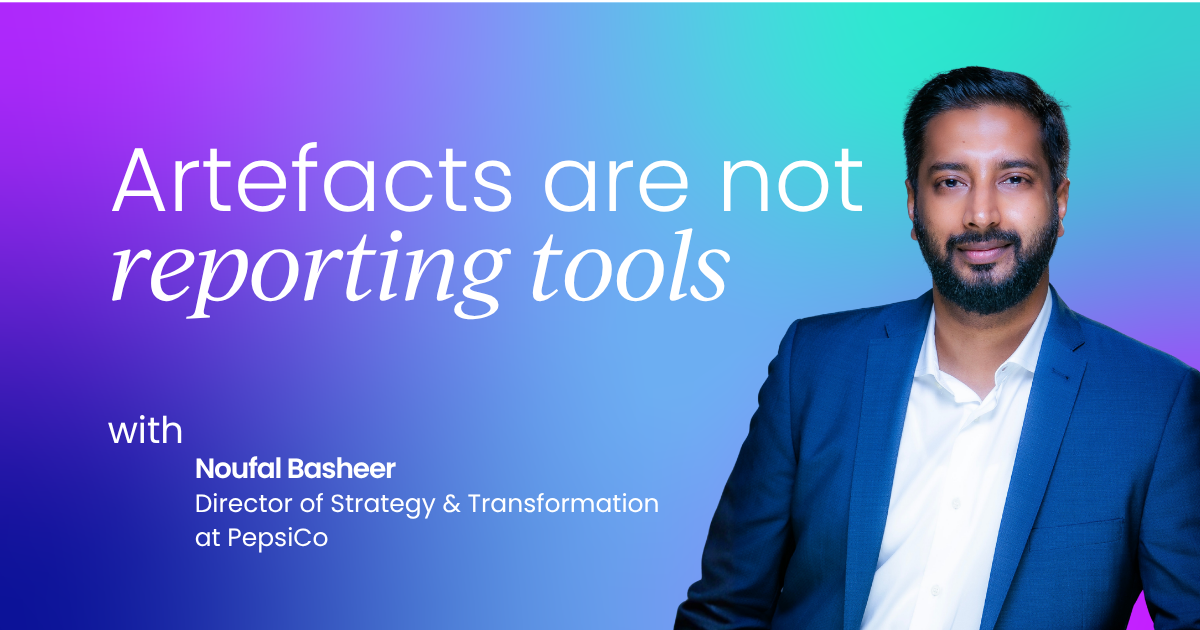
Myth #5: It's inapplicable to certain industries or sectors
Zero-based budgeting is extraordinarily versatile, adapting to apply value levers across any industry, sector, or nuanced financial landscape.
Manufacturing, healthcare, financial services, tech startups, you name it.
Unlike a one-size-fits-all approach, ZBB can customize to suit ANY company’s financial environment, keeping accountability while remaining flexible to business needs.
Myth #6: It’s short-sighted and ignores the long view
While ZBB operates on annual budget cycles for relevance, the insights gained in the annual process inform longer-term strategy.
Leadership teams can connect the dots looking back at 3-5 years of zero-based budget cycles to identify trends, make forecasts, and cement steady stepping-stone decisions toward bolder five to 10-year visions.
n essence, ZBB provides a regular reality check to power big dreams.
FAQs: Zero-based budgeting
Q. What is zero-based budgeting (ZBB)?
Zero-based budgeting is a financial planning method where every expense must be justified for each new period, starting from a "zero base." It's about building your budget from scratch, regardless of previous budgets, ensuring that every dollar is allocated based on current needs and goals.
Q. How does zero-based budgeting differ from traditional budgeting?
Traditional budgeting often starts with the previous year's budget and makes adjustments based on new goals or changes. In contrast, ZBB starts from zero and requires justification for every item, making no assumptions based on past spending.
Q. What are the main benefits of zero-based budgeting?
The primary benefits include increased cost control, enhanced alignment with strategic goals, improved efficiency, and fostering a culture of accountability and mindful spending.
Q. Are there any industries where zero-based budgeting is particularly effective?
ZBB can be adapted to any industry. However, it's particularly effective in industries with fluctuating revenues, high fixed costs, or those undergoing rapid change, as it allows for flexible and responsive financial planning.
Q. What is the core characteristic that defines a zero-based budget?
The defining characteristic of a zero-based budget is its requirement to justify every expense, regardless of whether it was part of the previous period's budget. This approach demands a detailed review and analysis of all expenses, ensuring that each cost contributes to the company's strategic objectives.
Q. What is zero-based budgeting cost control?
Zero-based budgeting Cost Control refers to the practice of using the zero-based budgeting approach specifically for controlling and optimizing expenses.
It involves scrutinizing each cost line, questioning the necessity and efficiency of each expense, and cutting or reallocating funds to ensure optimal use of resources. This focused approach to budgeting helps organizations control costs more effectively by aligning spending with strategic objectives and current operational needs.


Become an FA Insider
Thank you for subscribing
Get exclusive insights, frameworks, and strategies from finance leaders driving real business impact.
An email has been successfully sent to confirm your subscription.
 Follow us on LinkedIn